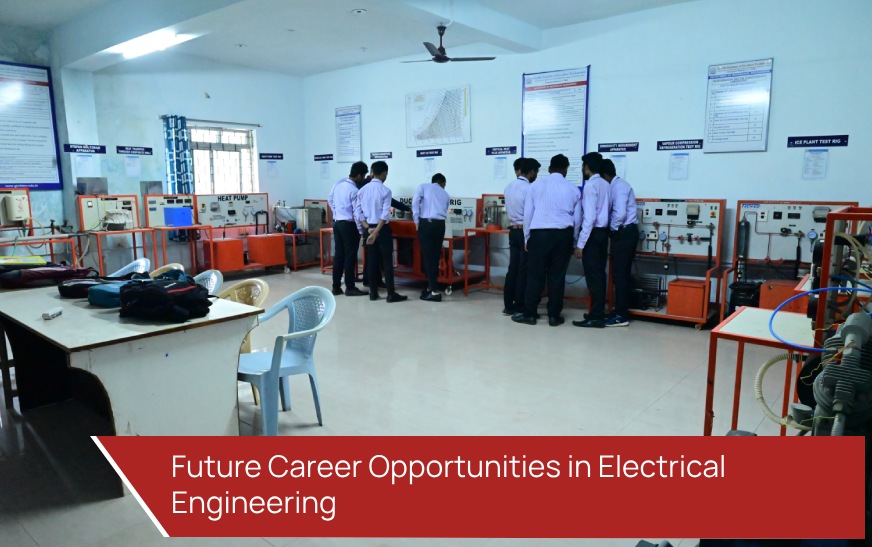


The field of Electrical and Electronic Engineering is undergoing significant transformation, driven by innovation, sustainability goals, and digital evolution. Students aspiring to pursue this branch from reputed engineering colleges in Bhubaneswar will enter an industry full of dynamic opportunities. As technology rapidly advances, engineers must stay updated with emerging trends to stay relevant in the workforce and contribute meaningfully to global progress.
This article explores the most promising developments in the field and offers insight into what the future holds for aspiring electrical and electronics engineers.
What are the future trends in Electrical and Electronic Engineering?
The future of Electrical and Electronic Engineering includes technologies like IoT, wireless power transfer, smart grids, AI, electric vehicles, energy-efficient lighting, and wearable tech. These innovations aim to improve energy efficiency, connectivity, automation, and safety in everyday life.
Top Trends Include:
- Internet of Things (IoT)
- Wireless electricity transmission
- Smart Grids
- Artificial Intelligence (AI)
- Electric vehicles (EVs)
- Battery technology
- Drones in engineering
- Wearable electronics
Future-Oriented Trends in Electrical and Electronic Engineering
1. The Internet of Things (IoT)
IoT connects devices, buildings, vehicles, and systems via the internet, enabling data exchange and automation. In electrical engineering, this is vital for creating smart homes, smart cities, and connected infrastructure. IoT influences innovations like:
Smart lighting systems
Smart grids
Visible light communication
Predictive maintenance of equipment
2. Wireless Power Transmission
Wireless power transmission eliminates the need for physical cables, improving safety and convenience. This technology powers:
Wireless charging pads for phones and laptops
Electric toothbrushes and medical implants
Emerging large-scale wireless charging for EVs
It is an exciting breakthrough for reducing clutter and enhancing energy accessibility.
3. Smart Grids
Traditional power grids are being upgraded to smart grids—digital networks that monitor and manage electricity flows more efficiently. These grids:
Enable two-way communication between suppliers and users
Integrate renewable energy sources
Reduce power outages and improve reliability
Smart grids are an essential step toward sustainable and intelligent energy management.
4. Electric Vehicles (EVs)
The shift towards electric mobility is among the most revolutionary developments in electrical engineering. Electric vehicles are:
- Eco-friendly alternatives to fuel-powered cars
- Powered by advanced battery technology
- Integrated with AI and IoT for enhanced user experience
With government incentives and infrastructure support, EV adoption is rapidly growing, particularly in urban areas.
Innovations Shaping the Industry
5. Advanced Battery Technologies
Energy storage is critical for both EVs and renewable energy systems. Engineers are focusing on:
High-capacity lithium-ion and solid-state batteries
Fast-charging solutions
Eco-friendly disposal and recycling methods
Improved batteries are crucial for a sustainable energy future.
6. Artificial Intelligence (AI) Integration
AI has become a key enabler across engineering disciplines. In Electrical and Electronic Engineering, AI is used for:
Predictive analysis in power systems
Automated fault detection and correction
Smart grid management
Robotics and embedded systems
Engineering colleges now offer AI-focused specializations alongside traditional electrical courses.
7. Drones in Electrical Engineering
Drones are now widely used in electrical inspections and project monitoring. They:
Safely inspect high-voltage lines
Capture aerial images for infrastructure mapping
Monitor construction and maintenance in real-time
The integration of drones enhances safety and reduces operational downtime.
8. Energy-Efficient Lighting
The transition from incandescent bulbs to LEDs has revolutionized lighting. LED technology:
Reduces energy usage by over 80%
Has a longer lifespan than traditional bulbs
Plays a key role in smart homes and smart cities
Energy-efficient lighting is central to sustainability and reducing environmental impact.
Lifestyle Tech and Safety Enhancements
9. Wearable Technologies
Wearables like fitness trackers, smartwatches, and health monitors are powered by electrical and electronics innovations. These devices:
Track real-time health metrics
Provide medical alerts
Communicate with smartphones and cloud servers
Engineers must design wearables that are safe, compact, and energy-efficient, especially when dealing with body sensors and electrical circuitry.
10. Safety-Driven Design
As technologies become more complex, safety becomes a priority. Engineers must be equipped to:
Design systems with shock protection
Ensure compliance with global safety standards
Create secure, user-friendly consumer products
This trend emphasizes the need for hands-on learning and practical knowledge during academic training.
Commonly Asked by Users
What are the career prospects after studying Electrical and Electronic Engineering in Odisha?
Graduates from engineering colleges in Odisha can pursue careers in power generation, renewable energy, electric vehicles, automation, AI, telecommunication, and more. The growing industry demand ensures a wide range of opportunities both in India and abroad.
Is Artificial Intelligence part of electrical engineering now?
Yes, AI is increasingly integrated into electrical systems. Topics like machine learning, signal processing, and automation are becoming part of the electrical engineering curriculum in many institutions.
Are electric vehicles a sustainable future option for India?
Absolutely. With improving battery technology and charging infrastructure, EVs are set to become the standard in personal and public transportation. Government support and technological advancements are speeding up this shift.
Electrical and Electronic Engineering is rapidly evolving with technological breakthroughs that promise a smarter, more sustainable future. From smart grids and wearable devices to electric vehicles and wireless power, these trends indicate where the industry is heading.
Aspiring engineers must stay informed, upskill in emerging technologies, and select the right academic foundation to thrive in this transformative field.
Ready to explore engineering colleges in Odisha? GIET Ghangapatna offers industry-aligned programs and modern infrastructure. https://www.gietbbsr.edu.in to learn more.